
Alcohol Treatment
Alcohol Treatment Is Not a Punishment—It’s a Reset

Written By
Alcohol Treatment
Written By
If your 20-year-old has started drinking again, the fear can feel immediate and physical.
A tightening in your chest. A rush of questions. A quiet panic you try not to show.
From a clinical perspective, this moment is not a failure—yours or theirs. Many families come to alcohol treatment at exactly this point, when the pattern has returned but the door to change is still open.
Alcohol treatment isn’t about punishment.
It’s about interrupting momentum before it becomes damage.
Parents are often told—directly or indirectly—that relapse means their child “chose this.”
Clinically, relapse is far more often a signal of overload than defiance. Emotional regulation breaks down. Stress outpaces coping. Alcohol becomes the fastest way to quiet the noise.
That doesn’t mean your child doesn’t care.
It means their internal system lost stability.
Alcohol treatment steps in to restore balance, not assign blame.
When parents picture treatment, they often imagine lectures, consequences, or forced insight.
In reality, the first goal of alcohol treatment is stabilization.
That includes:
From a clinician’s standpoint, insight comes later. You cannot reason with a nervous system in survival mode. Treatment helps the system settle so thinking becomes possible again.
This is why treatment often feels calmer than home during relapse—not harsher.
One of the most painful fears parents carry is that treatment means “starting over.”
It doesn’t.
A reset pauses the spiral long enough for previously learned skills to return. It gives your child breathing room to reconnect with what they already know—without the pressure of daily temptation or escalating conflict.
Think of it like resetting a compass, not tearing up the map.
Alcohol treatment preserves progress by protecting it during a vulnerable moment.
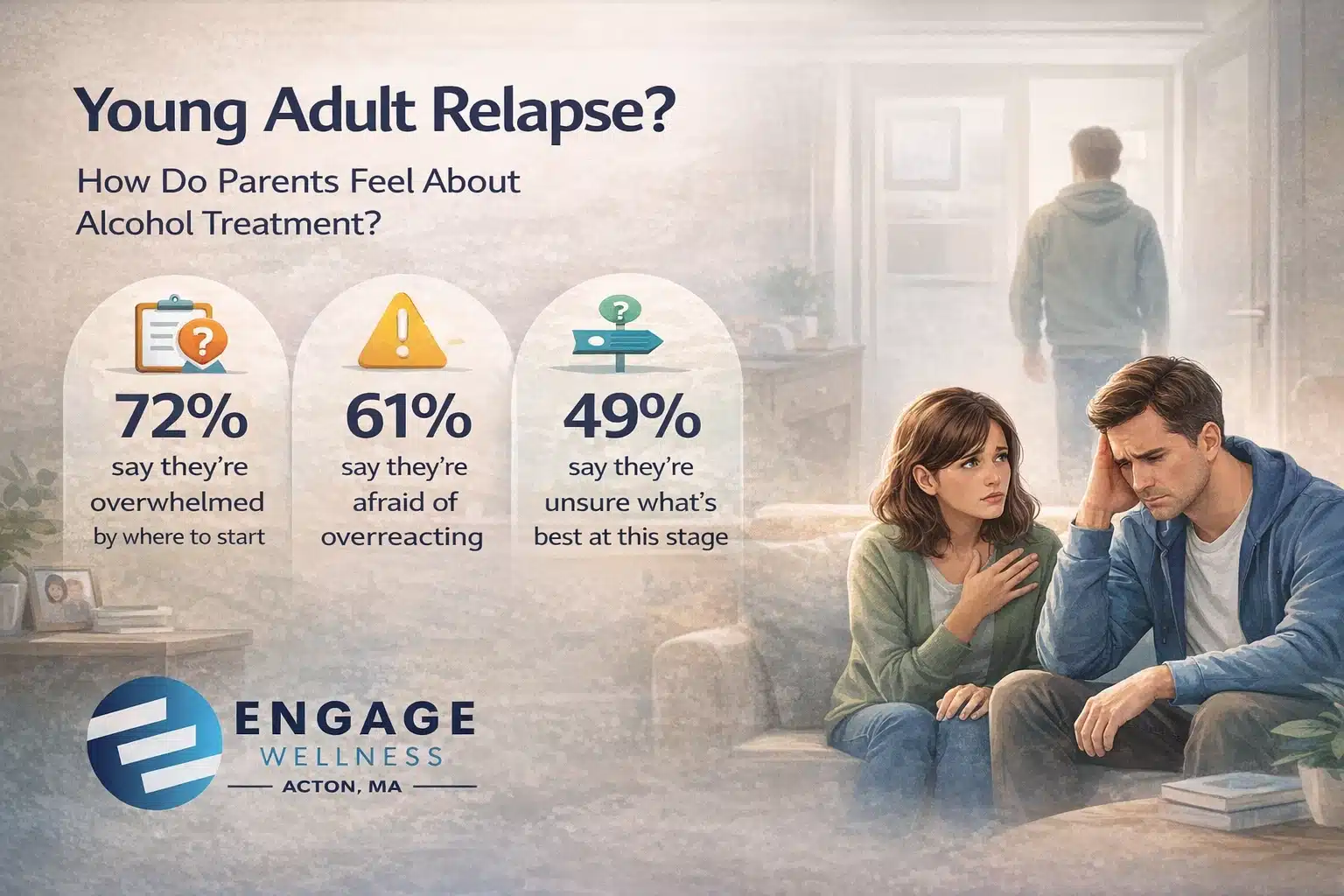
This deserves honesty.
Parents often feel cruel for considering alcohol treatment. They worry about trust, resentment, or pushing too hard.
Clinically, what damages trust most is instability—cycles of fear, confrontation, exhaustion, and silence. Treatment reduces those swings.
By moving structure and monitoring out of the home, alcohol treatment often improves the parent-child relationship. You stop being the enforcer. You get to be a parent again.
That shift is not punishment.
It’s relief.
Another common fear is that treatment strips autonomy.
Active alcohol use already shrinks choice. Cravings override intention. Emotions hijack decisions. Alcohol treatment widens options by restoring clarity.
When the nervous system settles, your child can:
Punishment removes choice.
Treatment returns it.
Parents often ask, “What if we’re overreacting?”
From a clinical perspective, early intervention is not overreaction—it’s prevention. Waiting through repeated use often deepens shame and secrecy.
Many families seeking help in recovery do so precisely because they want to act while communication is still possible and safety still exists.
Alcohol treatment at this stage isn’t dramatic.
It’s protective.
Parents rarely feel immediate peace—but they often feel steadiness.
They report:
Alcohol treatment doesn’t magically solve everything. But it changes the atmosphere. The chaos organizes. The volume lowers.
That shift alone can be life-changing for families.
One of the hardest lessons for parents is learning that compassion doesn’t require permissiveness.
Choosing alcohol treatment says:
We love you too much to keep doing this alone.
That message is not rejection.
It’s commitment—with boundaries.
From a clinician’s view, this balance often becomes a turning point—not just for the young adult, but for the family system as a whole.
Families arrive at treatment because they noticed something wasn’t right and chose to respond.
We often work with parents from Lowell, Massachusetts who describe feeling like they’ve been holding their breath for months—hoping things would stabilize on their own.
We also support families from Newton, Massachusetts who recognize that repeating the same conversations without support only increases frustration and fear.
Seeking treatment is not giving up.
It’s stepping in sooner rather than later.
Not always, but when relapse includes emotional instability, secrecy, or escalating use, treatment can stabilize the situation early.
Resistance is common at first. Long-term resentment is far less likely than long-term harm from untreated use.
Refusal often reflects fear, not readiness. A clinical team can help guide next steps.
No. Treatment supports a wide range of needs, including early-stage use, emotional dysregulation, and relapse prevention.
Most programs offer family communication, education, and guidance—without blaming parents.
That exhaustion is a signal too. Treatment supports families, not just individuals.
If your child is using again and you’re afraid of doing the wrong thing, you’re not alone—and you’re not failing.
Alcohol treatment is not a punishment.
It’s a reset.
A pause before patterns deepen.
A chance to stabilize before harm multiplies.
Call (978) 699-9786 to learn more about how our Alcohol Addiction Treatment in Middlesex county, Massachusetts support young adults and the parents who love them through this moment.
You’re not reacting out of fear.
You’re responding with care.


© 2025 Engage Wellness. All Rights Reserved. Proudly Treating Drug & Alcohol Addiction in Massachusetts | SEO by DIGITECH | Sitemap | Privacy Policy