
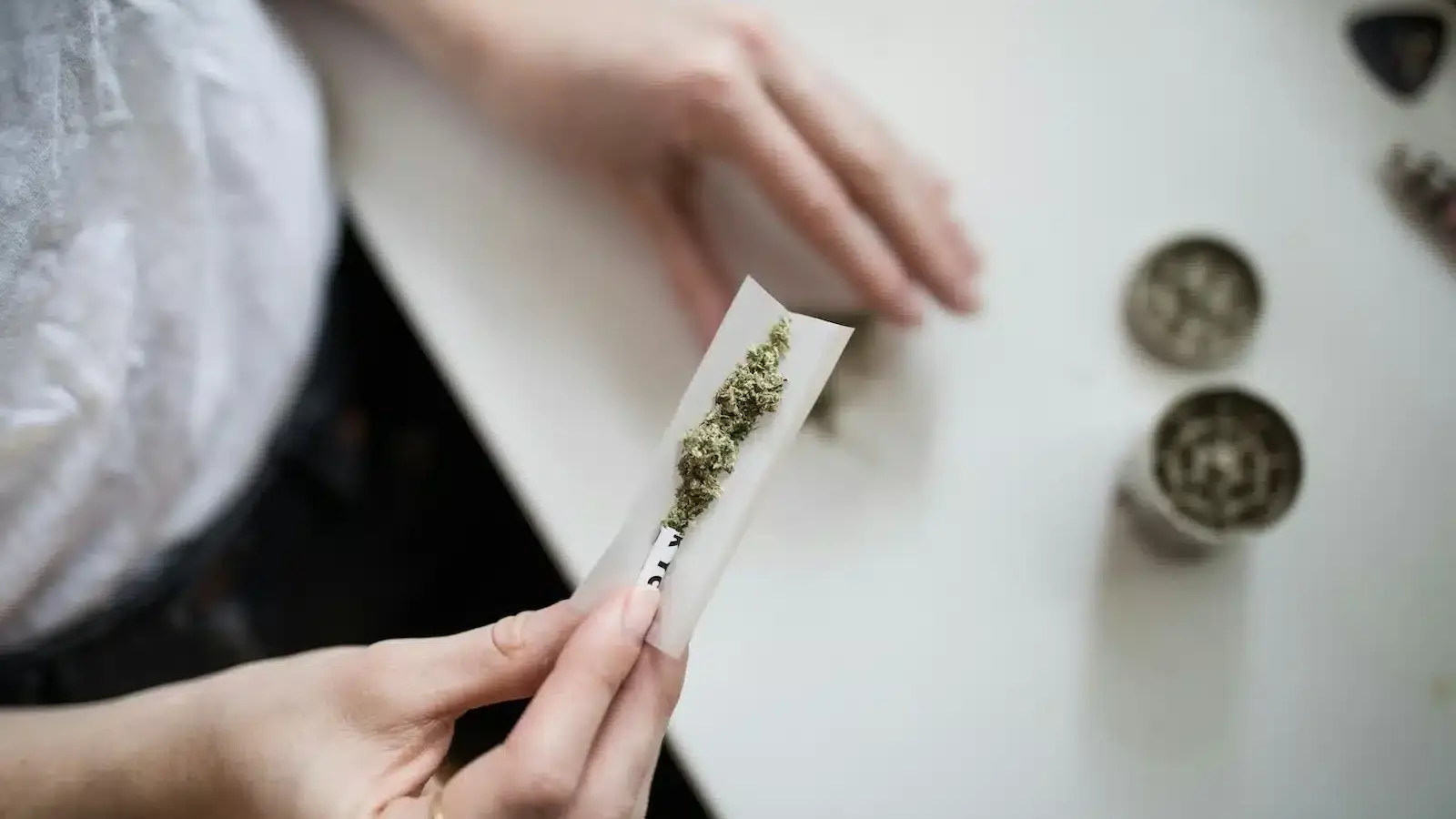


Weed (marijuana) refers to the dried leaves, stems, flowers, or seeds of a cannabis plant. In some cultures, people use weed as a form of homeopathic medicine to treat pain, depression, and anxiety.[1] However, many people use it recreationally to feel euphoric, thanks in part to the chemical compound tetrahydrocannabinol (THC), which causes this effect.
Unfortunately, due to its tendency to cause dependency in users, it has the potential to illicit withdrawal when the brain no longer detects its presence.
In this blog, you’ll learn how to identify weed withdrawal, risk factors for developing it, and how it is treated.
What Are The Symptoms of Weed Withdrawal?
Marijuana is listed as a Schedule I hallucinogenic substance with the potential for abuse and misuse.[2] This means that anyone using marijuana can become dependent on it or develop cannabis use disorder (CUD).[3] Cannabis use disorder makes it difficult for a person to stop using marijuana despite no longer wanting to. People with this disorder will experience withdrawal symptoms 24 to 48 hours after quitting marijuana.[4]
Cannabis withdrawal symptoms include:[4]
- Nervousness
- Anxiety
- Weed cravings
- Restlessness
- Decreased appetite
- Depression
- Insomnia
- Dream disturbances
- Anger
- Irritability
- Aggression
These symptoms may last up to three weeks in heavy cannabis users but generally peak at 2 to 6 days.[5]
Although not common, some individuals may experience headaches, nausea, vomiting, excessive sweating, tremors, and abdominal pain.[4]
Why Does Quitting Weed Cause Withdrawal?
When someone abuses an addictive substance such as marijuana, their body and brain build a tolerance to it.[6] This means they will need more of the substance to feel its effects. They also become dependent on the substance and struggle to regain balance when it is no longer available. During this stage, the brain’s reward circuit decreases in activity, and stress circuits activate. This causes the psychological and physical effects associated with marijuana withdrawal.[7]
What Factors Into Weed Withdrawal?
In addition to neurobiological changes, researchers believe other risk factors may contribute to the experience of cannabis withdrawal.[4]
They include:[4]
- Genetic and epigenetic factors
- Environmental factors
- Personality traits
- Personal stress response
- Having pre-existing mental health conditions
- Being previously diagnosed with a substance use disorder
People with a diagnosed mental health disorder such as anxiety disorder, post-traumatic stress disorder, or personality disorders are also more likely to experience weed withdrawal when quitting.[4]
What Are the Complications of Weed Withdrawal?
The complications associated with weed withdrawal typically subside within a few weeks.[4] However, some individuals may experience lingering or worsening symptoms, such as anxiety, disrupted sleep, and weight loss. Those who are struggling with anxiety or depression during this period might require medication to help manage the heightened anxiety.[4]
Individuals with psychosis may experience intensified symptoms during withdrawal. These symptoms can be managed with antipsychotic medications prescribed by a psychiatrist, but this depends on the judgment of the psychiatrist or prescribing physician.
What Products Lead to Weed Withdrawal?
Weed products containing THC may cause withdrawal symptoms after stopping use.[4]
They include:
- Hash oils
- Baked goods containing THC products
- Gummies or other candies containing weed
- Weed butter
- Blunts or joints
- Weed tinctures
It’s important to understand that weed use can cause both short-term and long-term symptoms that affect mood, cognition, and memory. These effects may be more dangerous than withdrawal symptoms as they can increase risk-taking and decrease focus and attention.
Who is Most at Risk of Weed Withdrawal?
Most people who use weed occasionally will not experience weed withdrawal. Those who do may not share the same experiences.
According to the Cleveland Clinic, weed withdrawal is most likely to affect:[4]
- People who use marijuana products daily
- Individuals who use both tobacco and weed
- People who have a substance use disorder
- Those who use more concentrated forms of marijuana with higher THC
Are There Ways to Prevent Weed Withdrawal Symptoms?
The only way to prevent the effects of weed withdrawal is to avoid using products that contain THC, the active ingredient in weed. If you previously smoked weed and quit, most withdrawal symptoms will last a few days to three weeks. However, if you reengage in use, symptoms can resurface. If you find yourself using weed again, despite going through withdrawal, you may have cannabis use disorder.
According to Yale Medicine, cannabis use disorder is treatable using techniques that include:[8]
- Motivational therapy
- Cognitive behavioral therapy
- Contingency management
These treatments can be effective on their own. However, many individuals choose to enroll in a drug rehabilitation center to access additional programs. These programs may include medication-assisted treatment, art therapy, dual diagnosis programs, and family therapy.
How is Marijuana Withdrawal Diagnosed?
Individuals who abstain from using weed or weed products after heavy use and experience withdrawal symptoms are diagnosed with weed withdrawal. There is no standard test to solidify this diagnosis.[4]
To be diagnosed with weed withdrawal, you must have experienced three or more withdrawal symptoms within the first week of abstaining. Your physician may order blood or urine tests to rule out issues with similar symptoms.
Finding Treatment for Weed Withdrawal

Unlike more potent substances, such as cocaine or methamphetamine, weed withdrawal rarely warrants medical care. However, individuals with cannabis use disorder could benefit from enrolling in a substance treatment program as well as the following:[3]
- Those with underlying mental health conditions
- Those who use multiple addictive substances, such as alcohol or opioids, along with marijuana
- Individuals with health conditions that are exacerbated by withdrawal
Accepted treatments for withdrawal symptoms related to cannabis use disorder include:
- Psychotherapy therapy: In talk therapy, individuals with CUD may learn about healthy coping strategies and the underlying reasons driving excessive cannabis use. Examples of talk therapy include cognitive behavioral therapy, CBT, contingency management CM, and dialectical behavior therapy DBT.[9]
Some substance treatment facilities offer adjunct holistic treatments to enhance recovery and reduce the risk of reinitiating use.
These treatment options include:
- Nutritional counseling
- Yoga
- Mindfulness meditation
- Art therapy
- Music therapy
Are You Ready to Kick Weed for Good?
If you or someone you know could benefit from treatment for cannabis use disorder, contact Engage Wellness Acton today.
We provide a range of treatment options, including inpatient, outpatient, and day programs. Our offerings encompass family therapy, eye movement desensitization and reprocessing therapy (EMDR), and medication-assisted treatment for individuals with substance use disorders.
You’ve already taken the first step on your journey to sobriety and wellness; we’re here to help you the rest of the way.